2026 ARC Raiders Player Experience Analysis

ARC RaidersSummary
This is a player experience review, written from my perspective as both a long-term player and a professional experience designer. It is not a scorecard, not a teardown, and not a deep UX essay. My goal is to describe how ARC Raiders feels over time—how the experience evolves emotionally, where it holds together, and where it begins to narrow—using lived experience rather than theory.
At a high level, ARC Raiders follows a clear emotional arc for me: early frustration, mid-game satisfaction through understanding, and a late-game shift toward efficiency and completionism.
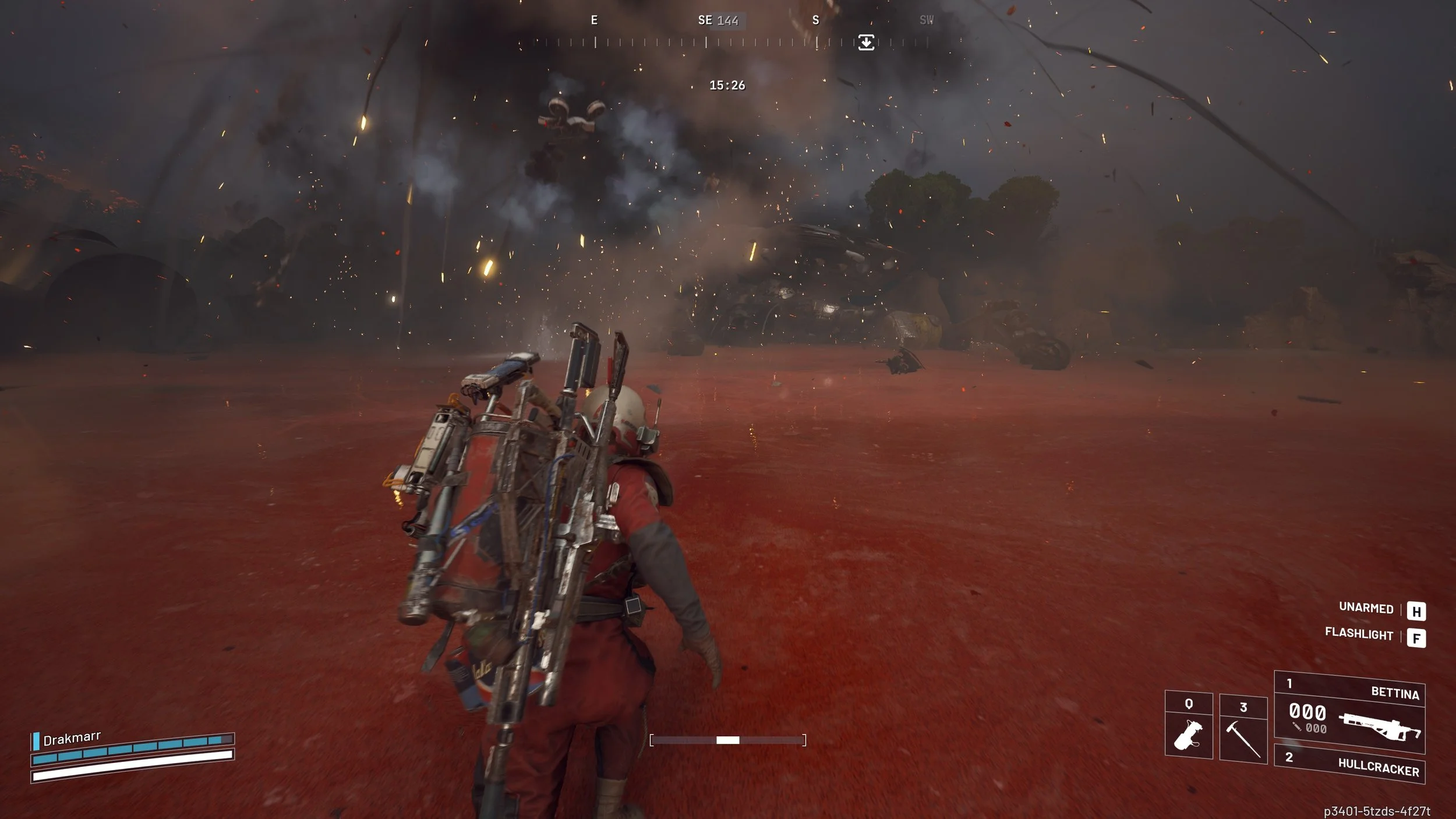
Play Context
Platform: PC
Controls: Keyboard + Mouse
Playtime: 100+ hours
Experience range: onboarding through late game
Playstyle: solo throughout
This context matters only to establish that what follows comes from sustained play, not first-session impressions.
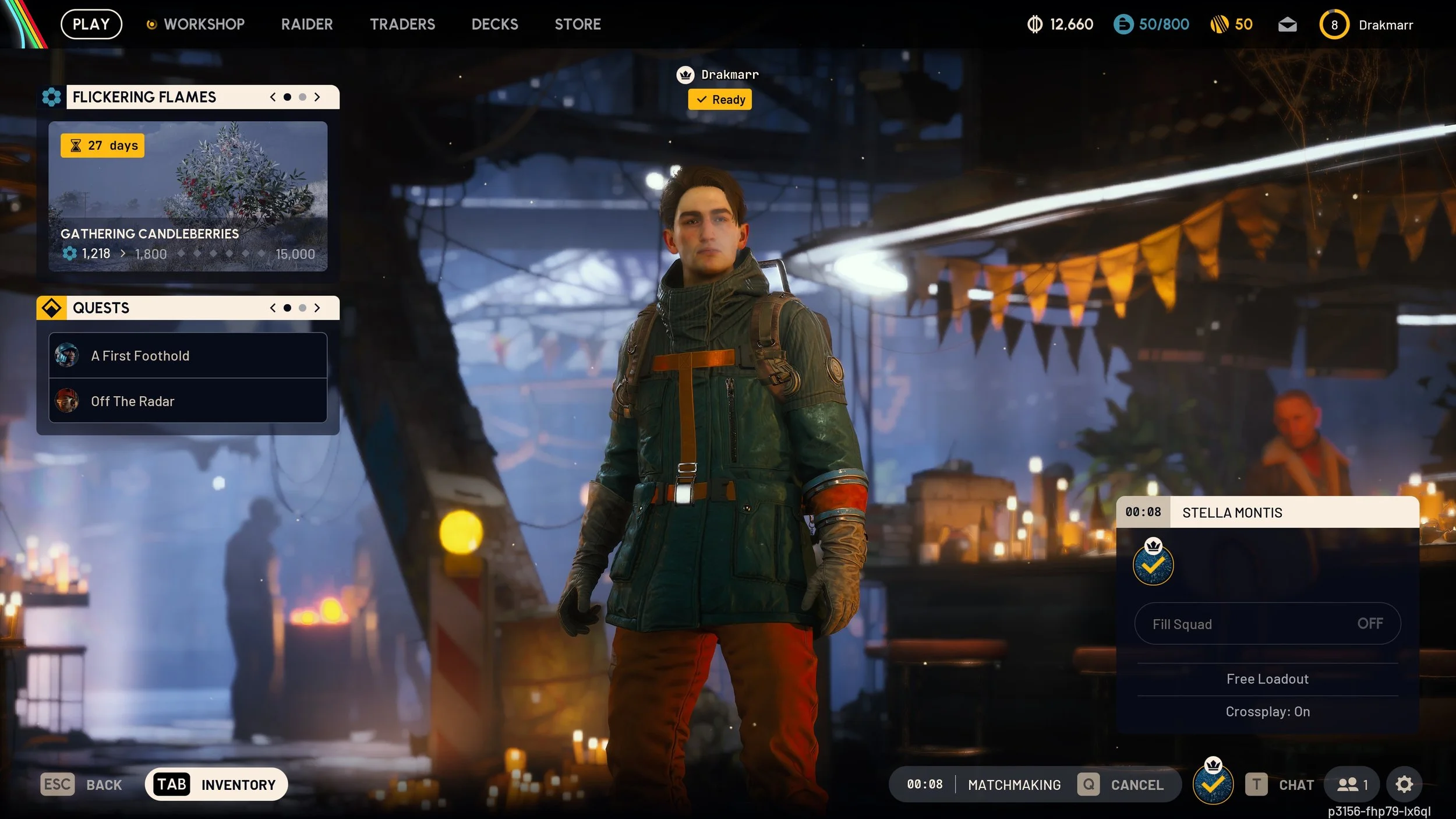
First Impressions: Pressure Without Readability
In the opening hours, ARC Raiders felt exciting, stressful, and frustrating all at once. Character locomotion immediately stood out—running, vaulting, and climbing felt responsive and grounded. Combat against AI drones was difficult with starter weapons, but it felt good: weapons sounded impactful, enemies communicated threat clearly, and encounters carried weight.
That early momentum was disrupted quickly. PvP encounters often resolved before I could meaningfully react, and overwhelming AI pressure compounded the issue. Several early runs ended without extraction or progress, creating a discouraging loop.
At this stage, the experience felt fair but unreadable. I usually understood that something went wrong, but not always how to adjust next time. The systems were there; the clarity had not arrived yet.
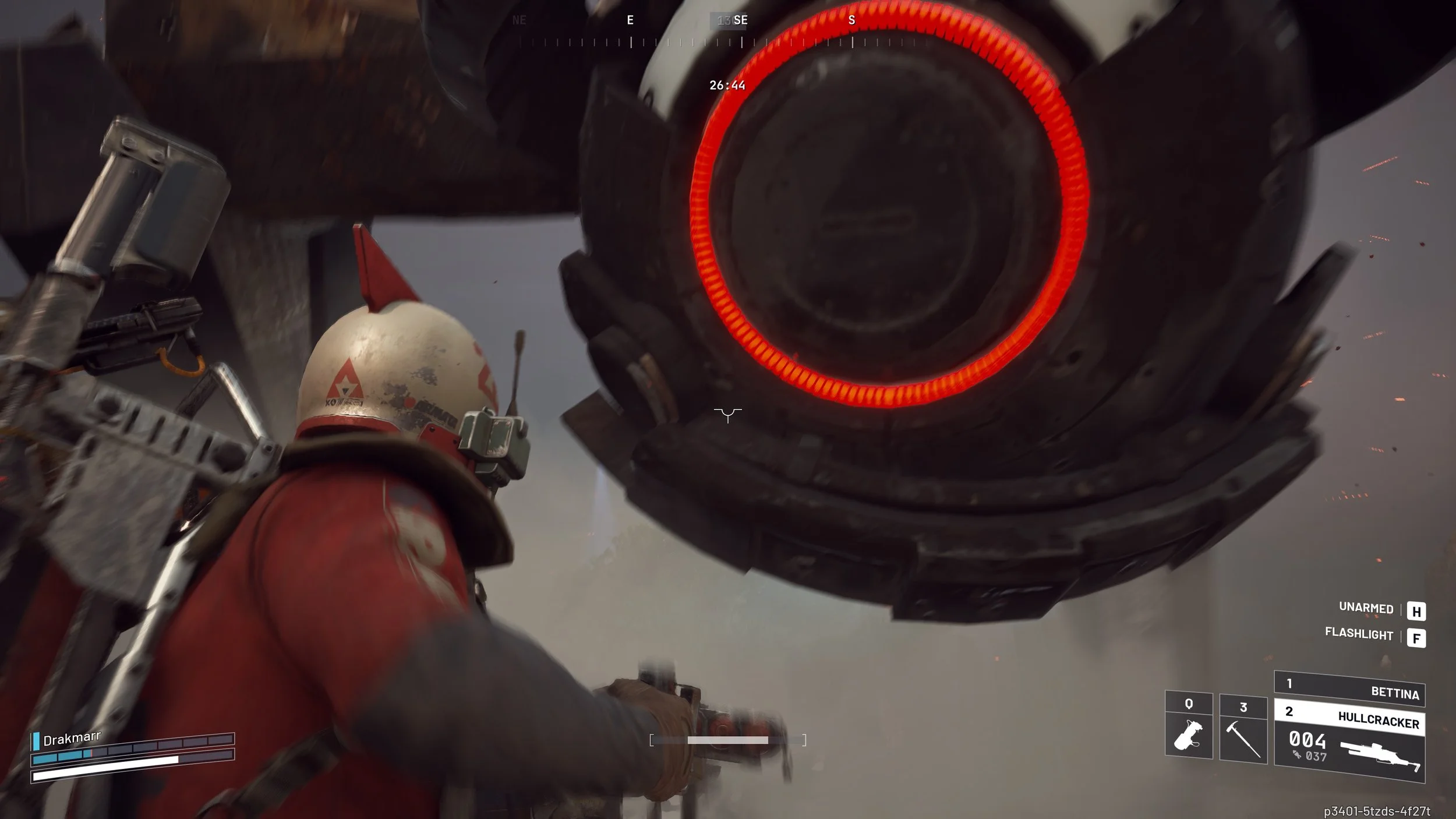
Mid-Game Clarity: Learning the Language of the World
The experience began to change around the 20–25 hour mark, driven by a convergence of two factors: my own growing understanding of the game’s systems and external balance improvements from the developers.
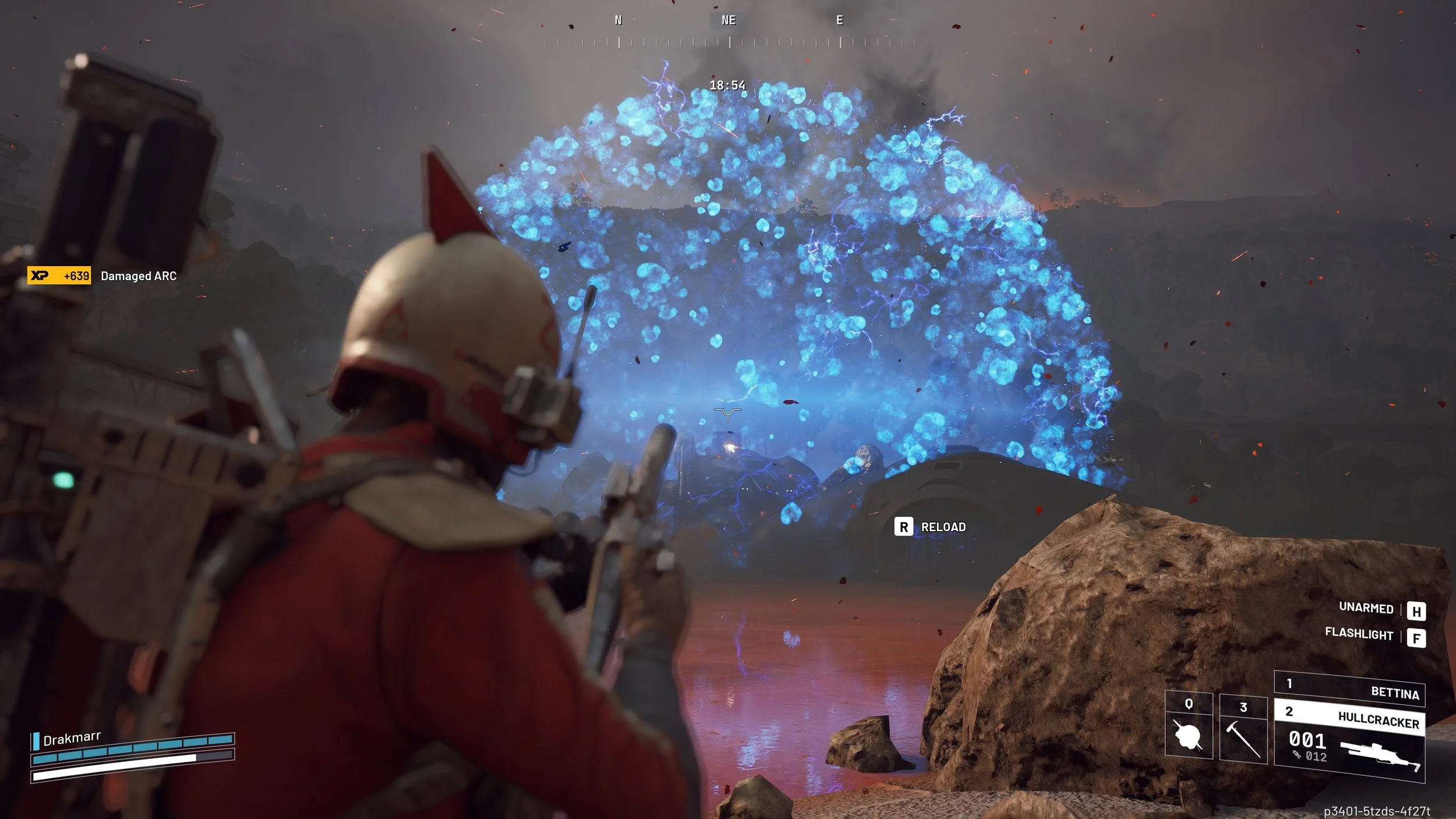
Once PvP pressure eased and survivability increased, the game became legible in a new way. Sound design played a major role here. Nearly every enemy and environmental action has a distinct audio signature, and once I learned those cues, the battlefield became easier to read before it became overwhelming.
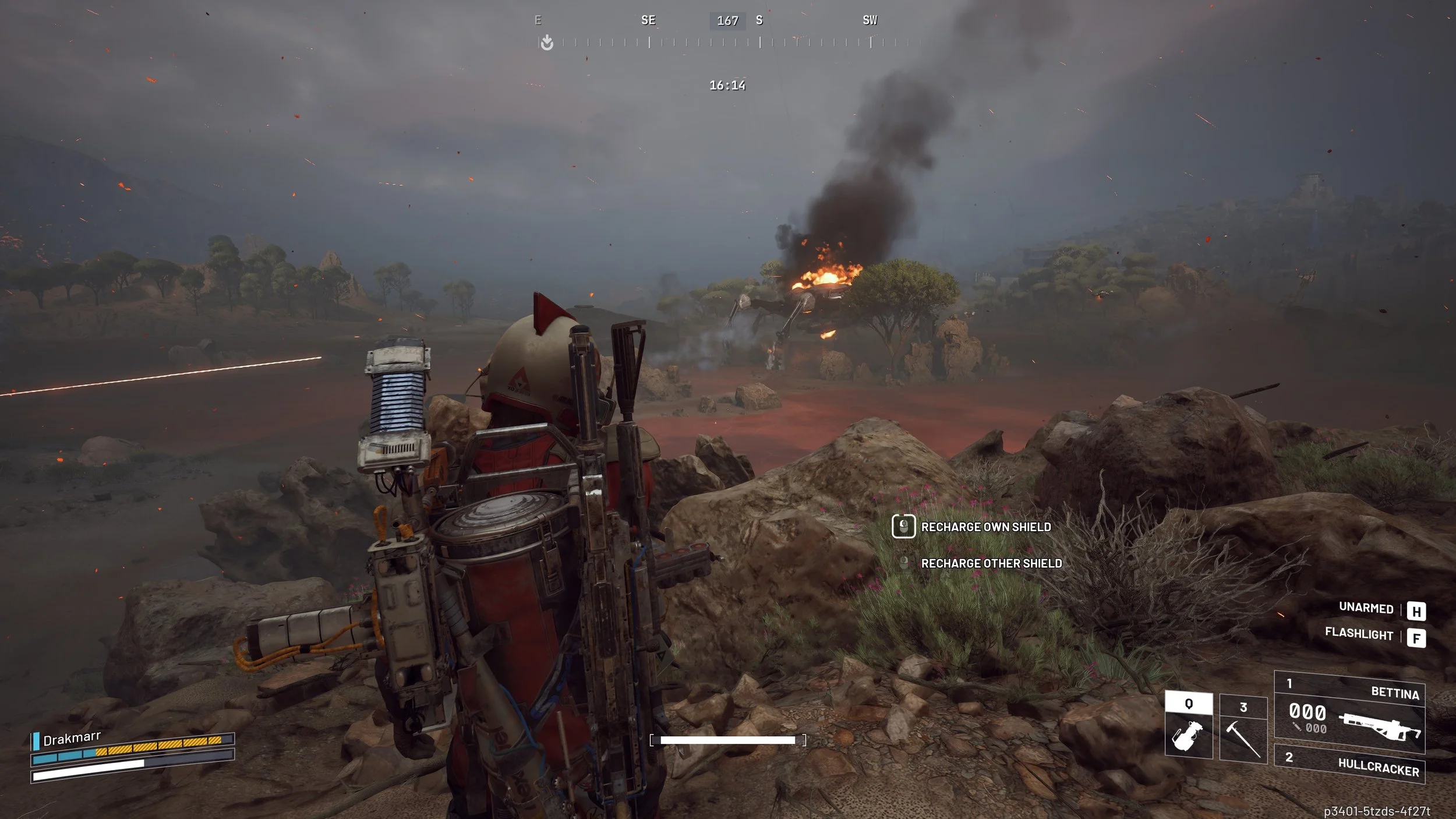
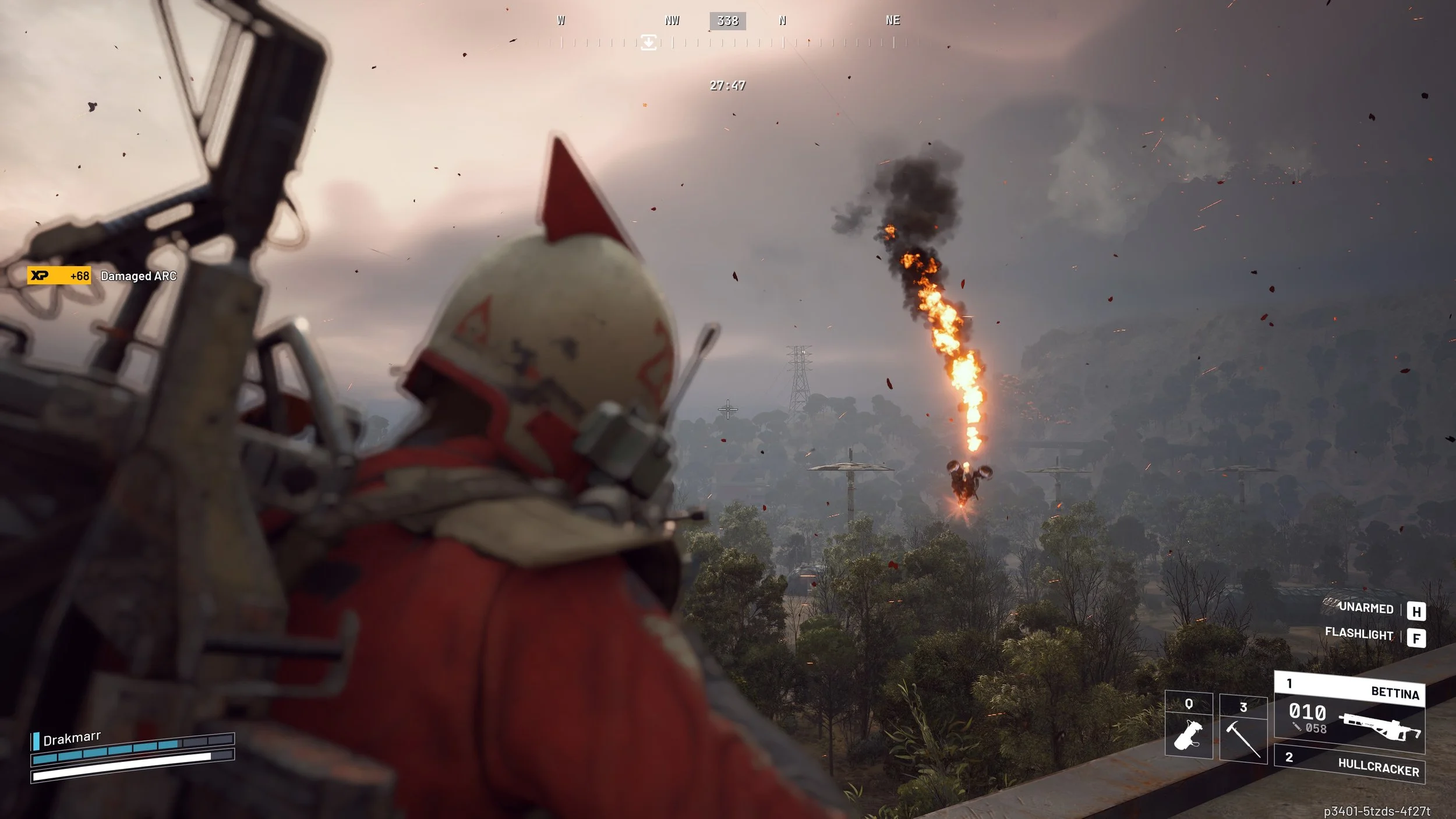
Physical feedback reinforced that understanding. Disabling a drone’s propeller and watching it falter communicated cause and effect instantly. These moments built confidence—not through power, but through comprehension.
This was the phase where ARC Raiders felt strongest to me: exploration increased, maps became familiar, enemy behaviors made sense, and each run felt like an opportunity to apply what I had learned rather than simply endure pressure.
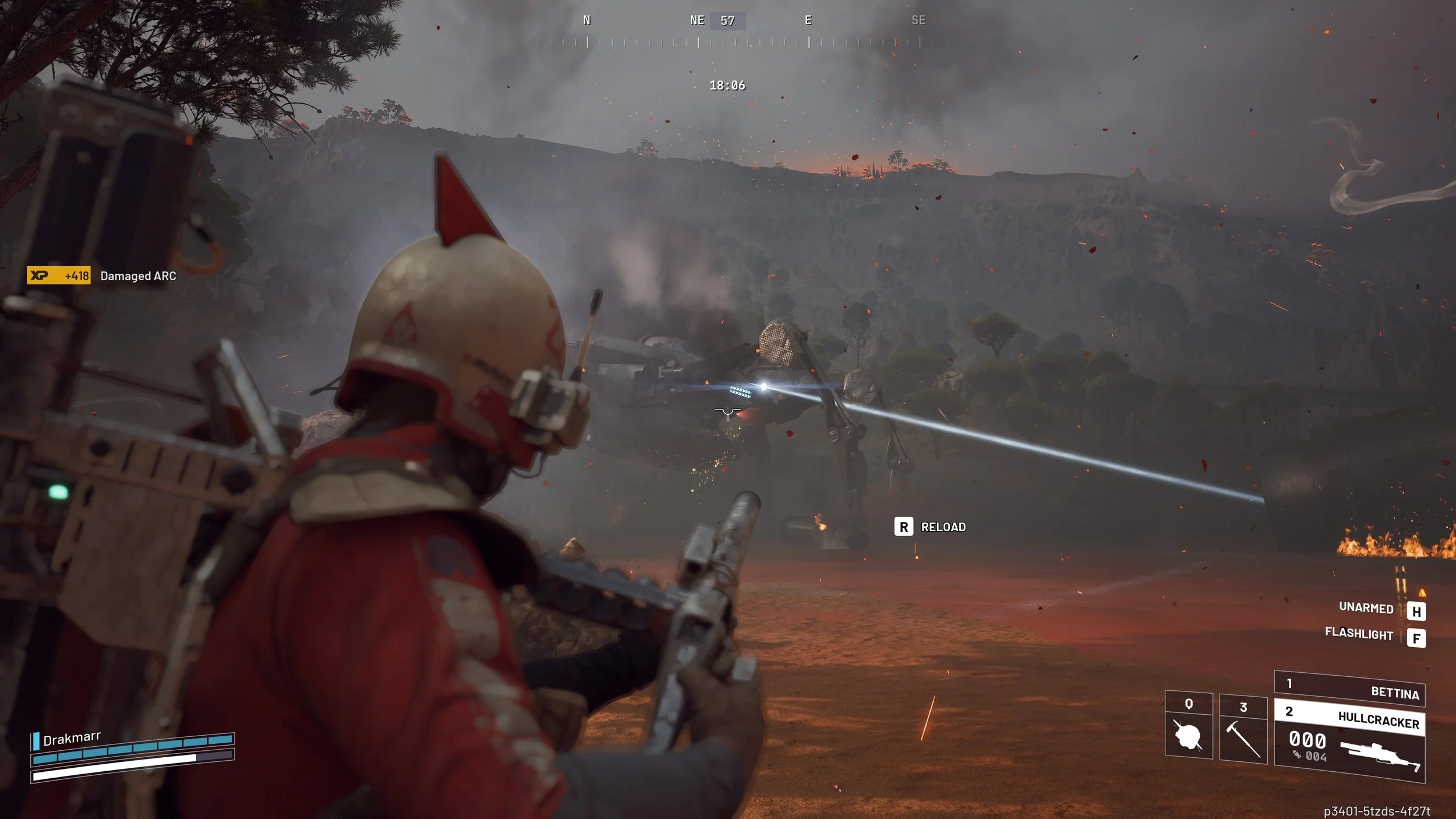
Core Gameplay Feel
Moment to moment, ARC Raiders is controlled and deliberate. Movement remains grounded, and combat consistently rewards positioning, awareness, and restraint over aggression.
The game is at its best when it allows me to choose engagement. Avoidance, patience, and preparation are valid strategies, and the systems support those choices without friction. Nothing feels flashy for its own sake; everything feels intentional.
Progression and Motivation
Progression is steady and understandable. Early upgrades noticeably improved my survivability, which mattered a lot as a solo player. That said, reaching a point where the experience felt fully fair took time—measured in dozens of hours.
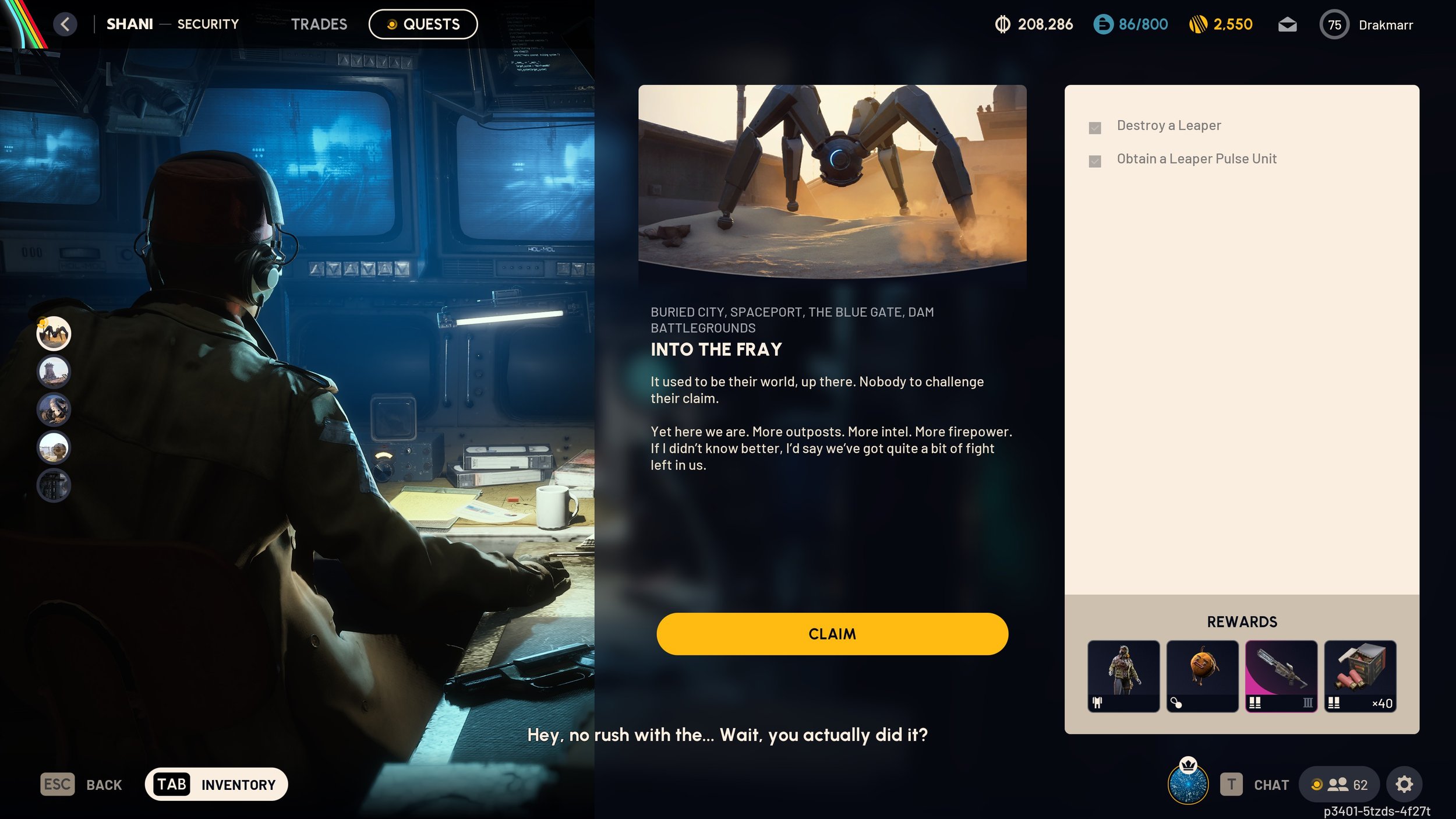
Blueprints highlight this tension clearly. The system itself is well communicated: when a blueprint drops, it is unmistakable. The issue is pacing. Drops felt too rare in my experience, even deep into progression, and scarcity became a persistent background pressure rather than a moment of excitement.
By the late game, blueprints and remaining missions became the primary reasons I continued playing—not because the systems were unclear, but because finishing replaced discovery as my main motivation.
Solo Play and Balance
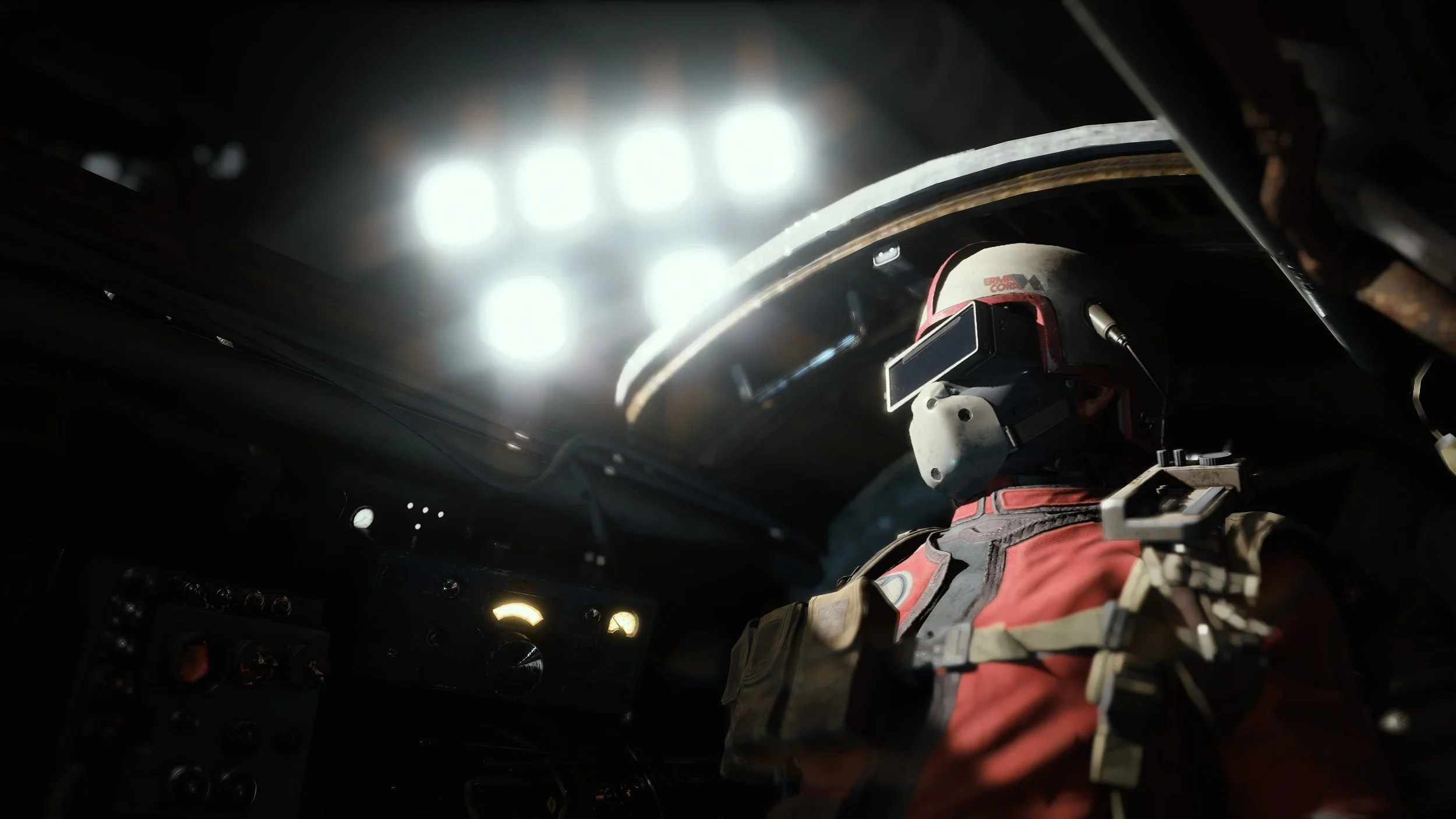
ARC Raiders is clearly tuned with cooperation in mind, but solo play is viable. Early difficulty felt demanding rather than arbitrary, yet the path to parity was long. Real confidence did not arrive until I was well-geared, resource-rich, and closer to the AI’s difficulty curve.
Once fully geared and leveled, the balance settled. At that point, the game felt finally fair, and I felt in control of my experience. Getting there required patience.
Late Game: Efficiency Over Mystery
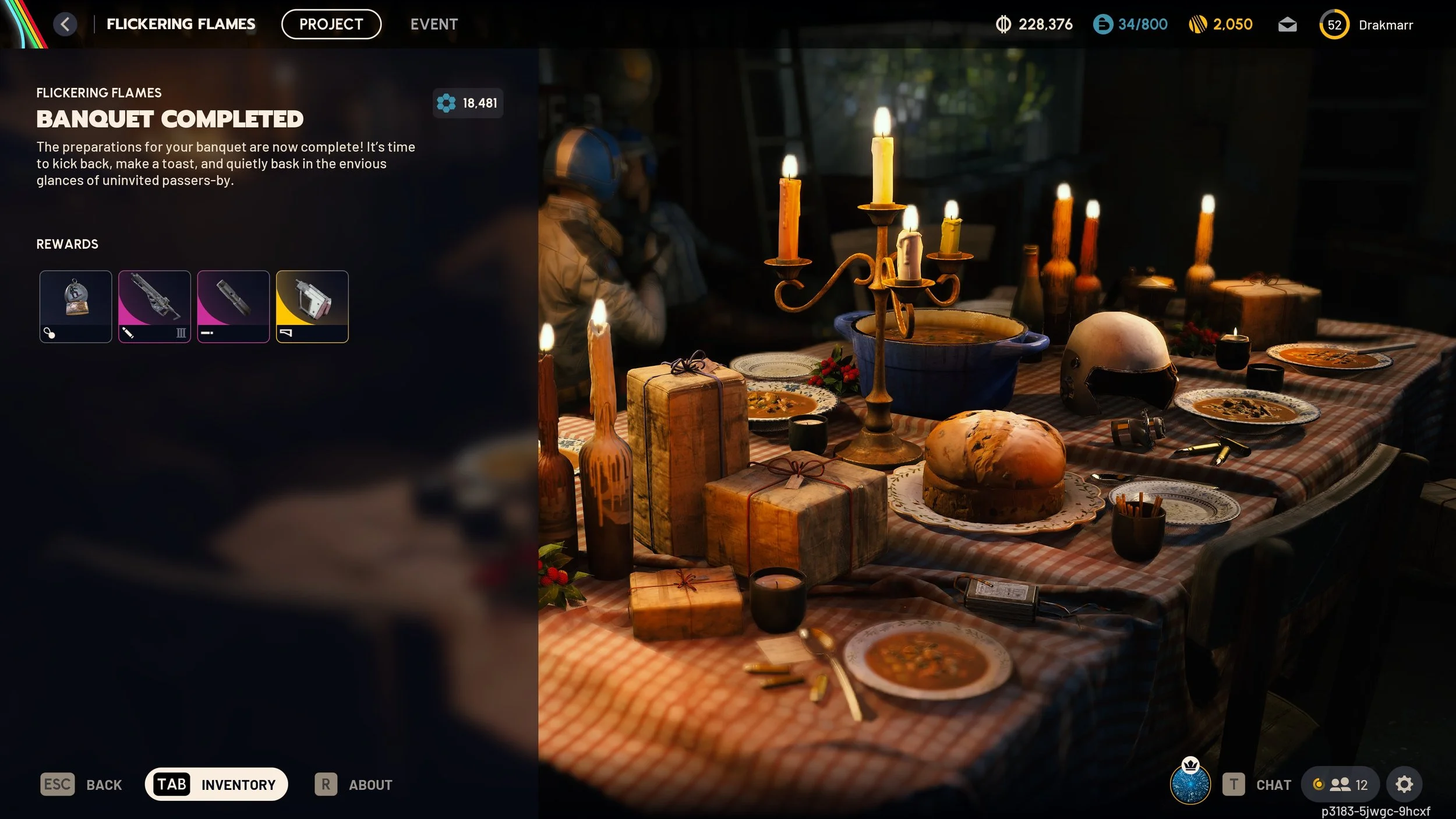
In the late game, behavior converges. Exploration gives way to efficiency, and optimal loops emerge naturally. For me, that often meant loading into a specific map, moving directly to a high-value target, killing it, and extracting. Over time, I noticed many other solo players independently running the same routine.
Nothing breaks—but the world compresses. Risk is optimized away, encounters lose unpredictability, and the environment stops asking new questions. The game begins to feel small, not because it lacks content, but because I felt I had seen everything that meaningfully mattered.
At this stage, the experience shifted from inhabiting a world to executing a system.
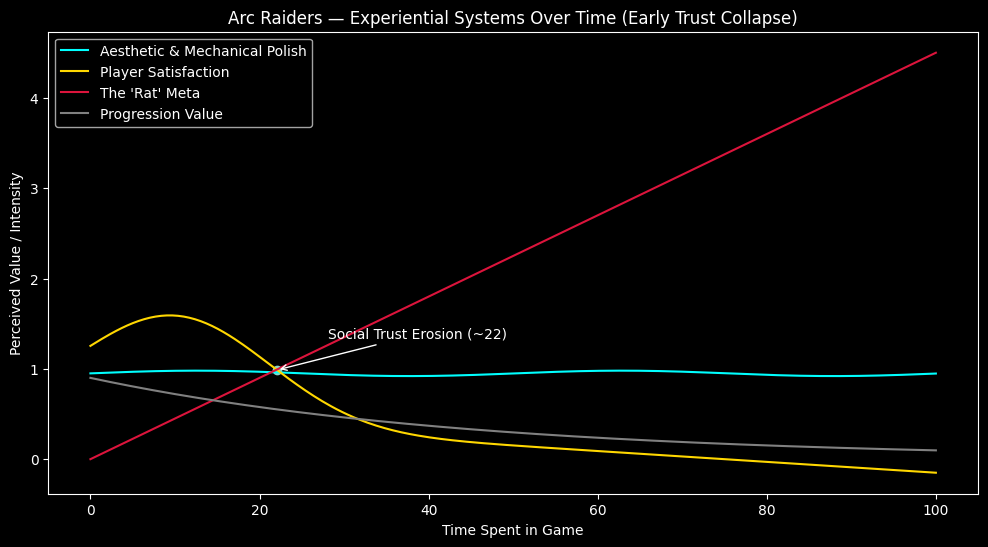
This diagram visualizes the moment Arc Raiders quietly changes. The game’s polish and atmosphere remain exceptional (cyan), but player satisfaction (gold) peaks early and begins to fall as the system reveals its true incentives. The “rat” meta (crimson) rises quickly—teaching players that deception and extraction abuse are the most efficient paths forward—while progression value (gray) thins.
Around the 20-hour mark, social trust collapses. The world is still beautiful. The mechanics still feel great. But the experience shifts from exploration to optimization, from shared tension to quiet hostility. This is where the game stops feeling like a place you inhabit—and starts feeling like a system you survive.
What ARC Raiders Does Well
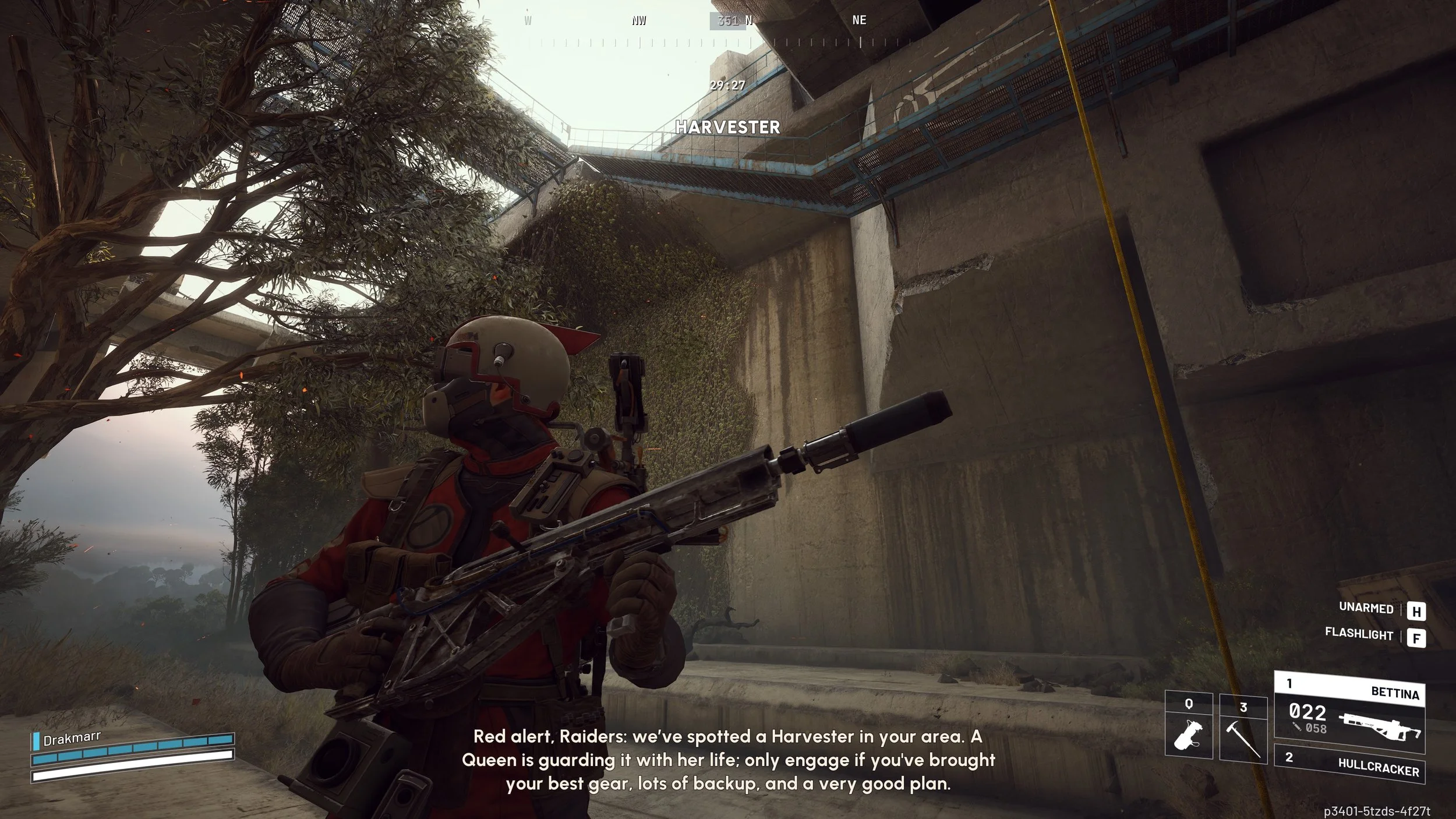
Maintains a strong, consistent tone
Delivers excellent audio and physical feedback
Communicates cause and effect clearly in combat
Supports cautious, thoughtful playstyles
Shows discipline by avoiding unnecessary complexity
There is a clear sense of intent here, and it carries through most of the experience.
Who This Game Is For
ARC Raiders is best suited for players who value atmosphere, measured pacing, and clarity under pressure. Solo players should expect a tougher early experience and a longer road to confidence. Those who enjoy mastery, completion, and controlled tension will find a lot to appreciate.
Players looking for constant novelty or dramatic late-game escalation may find the experience too restrained.
Final Take
From my perspective, ARC Raiders delivers a focused, coherent player experience built on clarity, restraint, and strong sensory feedback. Its early hours can be punishing—especially solo—but learning and balance corrections eventually converge into a fair, readable, and satisfying mid-game.
In the late game, efficiency overtakes mystery, and the world narrows as optimal play dominates. Even so, the experience justified the time I invested. ARC Raiders knows what it wants to be—and largely succeeds within those bounds.
Gallery