
2026 Game Experience Benchmarks: An Experiential Learning Approach

Image Title
Games as Systems
Image Description
A wide view showing a human viewpoint engaging with a complex interactive system where only partial information is visible, emphasizing interpretation rather than control.
Most game criticism focuses on surface-level issues—bugs, balance complaints, or consumer value—while missing the deeper question: how does this system actually work when a human engages with it? What interaction models does it teach? Where does it support intuition, and where does it create friction?
As we look toward the 2026 PC landscape, we’re shifting our focus accordingly. This is not a release calendar. It’s a curriculum.
Our intent is to study upcoming titles through the lens of experiential learning—treating games as complex systems to be observed, tested, and understood. We analyze how UI communicates density, how systems scale with player knowledge, and how modern design reshapes the relationship between player and machine.

Image Title
Game Design Benchmarks
Image Description
An observational scene comparing how multiple game systems present information to a single user, highlighting tradeoffs in interface and interaction design.
Benchmarks: Establishing the Baseline
Before turning fully toward the 2026 slate, we are finalizing our learnings from several pivotal titles that define the current state of interactive systems design. These games serve as our baseline benchmarks, each representing a critical area of modern game development:
Sid Meier’s Civilization VII (4X Strategy) — 2025
https://civilization.2k.com
A study in modernizing dense 4X interfaces while preserving long-horizon simulation depth and legibility.Kingdom Come: Deliverance 2 (RPG) — 2025
https://kingdomcomerpg.com
A reference point for diegetic UI, grounded immersion, and systems rooted in physical realism.Monster Hunter Wilds (Action RPG) — 2025
https://www.monsterhunter.com/wilds
An examination of seamless world transitions and technical scalability under mechanically demanding play.Assetto Corsa EVO (Racing Simulation) — 2025
https://assettocorsa.gg
The current benchmark for telemetry visualization, haptic feedback, and simulation fidelity.
Back to TopThe 2026 Target List: A Chronological Study
Our 2026 coverage focuses on friction points in design—where system complexity meets human intuition, limitation, and learning.
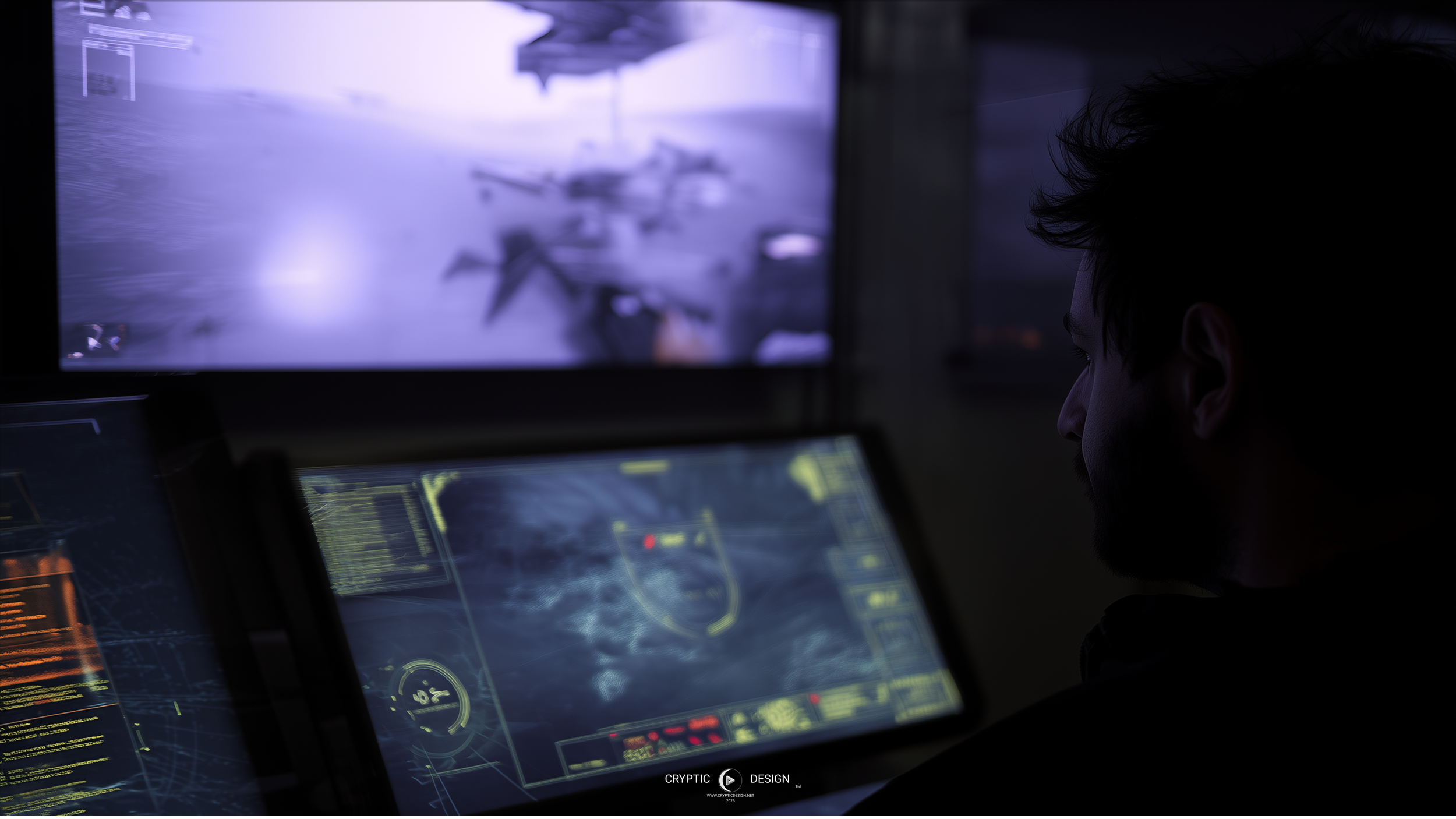
Image Title
Systems Under Survival Pressure
Image Description
A tense environment where a player must act while system feedback is constrained or obscured, illustrating how survival conditions compete with information clarity.
Q1: Systems, Survival, and Simulation
Pathologic 3 (Medical Sim / Horror) — Jan 9, 2026
https://ice-pick.com
Stress-based UI, moral triage systems, and sustained decision-making under pressure.Hytale (Sandbox RPG) — Jan 13, 2026
https://hytale.com
Procedural world systems, mod-first architecture, and player-driven economies.2XKO (Fighting) — Jan 20, 2026
https://2xko.riotgames.com
Accessibility, onboarding, and readability in high-APM competitive combat.Arknights: Endfield (Factory / Action RPG) — Jan 22, 2026
https://endfield.hypergryph.com
Bridging automation logic with real-time combat and spatial UX.Deus Ex Remastered (Immersive Sim) — Feb 5, 2026
https://www.aspyr.com
Revisiting augmented UI concepts and player agency for modern hardware constraints.Mewgenics (Strategy RPG) — Feb 10, 2026
https://store.steampowered.com/app/686060/Mewgenics
Communicating complex genetic and systemic data through minimalist presentation.Resident Evil Requiem (Survival Horror) — Feb 27, 2026
https://www.residentevil.com
Environmental storytelling, restricted FOV, and tension-driven pacing.Marathon (FPS / Extraction) — Mar 5, 2026
https://www.marathonthegame.com
Minimalist HUD design and color-coded information hierarchy under high stakes.Crimson Desert (Open-World Action RPG) — Mar 19, 2026
https://crimsondesert.pearlabyss.com
Animation weight, physical interaction, and environmental density at scale.
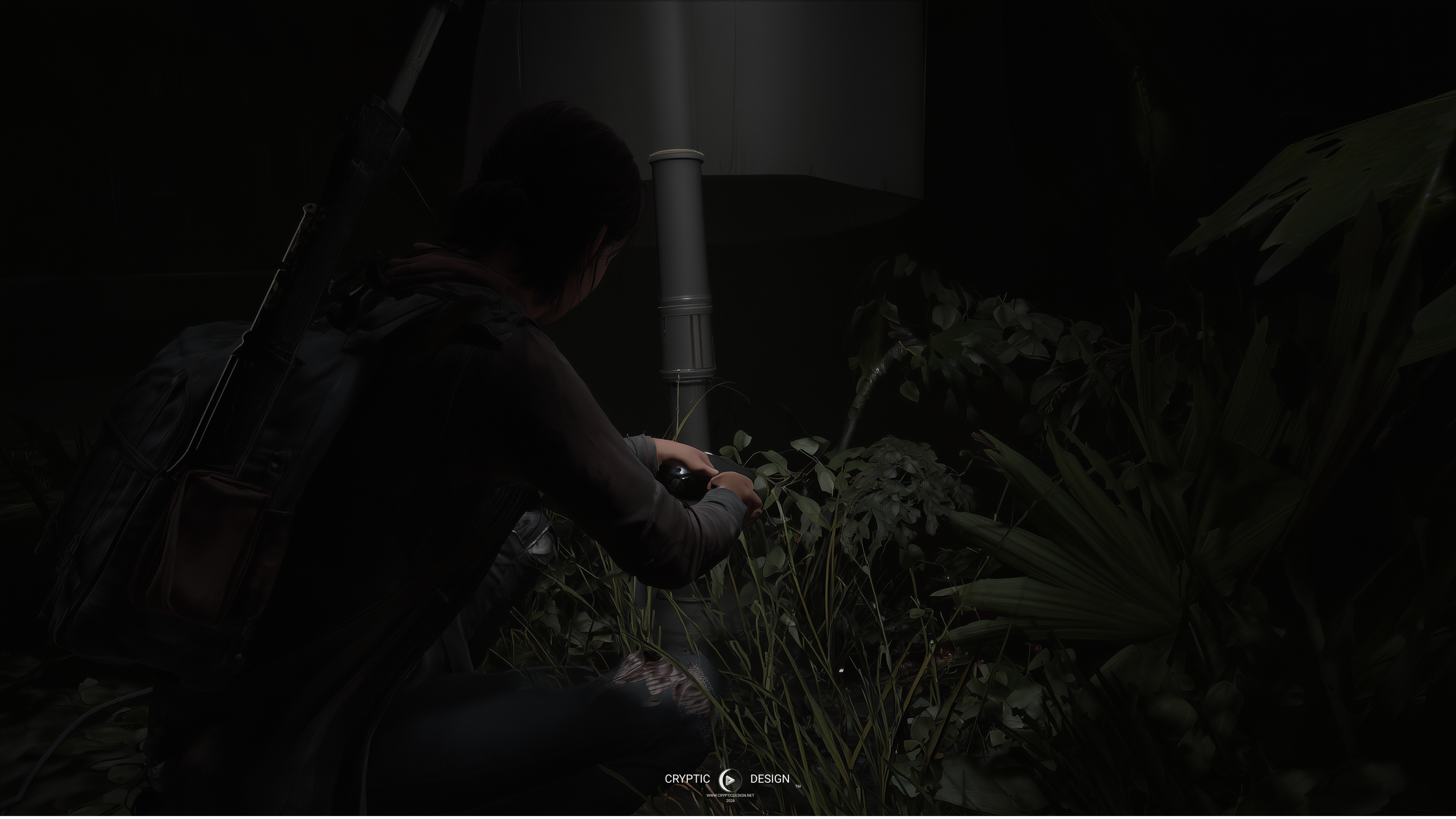
Image Title
Stealth and Player Agency
Image Description
A restrained interaction moment where the player relies on environmental signals rather than explicit interface elements to make cautious decisions.
Q2: Stealth, Agency, and Interaction Models
Masters of Albion (God Simulation) — Apr 22, 2026
https://www.22cans.com
The return of direct world manipulation and evolving interpretations of the “god hand.”Pragmata (Sci-Fi Action) — Apr 24, 2026
https://www.capcom-games.com/pragmata
A technical showcase for proprietary engine design and experimental interaction systems.Forza Horizon 6 (Racing) — May 19, 2026
https://forza.net
Photogrammetry, environmental readability, and perception at extreme speeds.007 First Light (Stealth Action) — May 27, 2026
https://007firstlight.io
IO Interactive’s minimalist stealth philosophy applied to a new narrative origin.
H2 2026: Blockbuster Benchmarks
Phantom Blade Zero (Hack & Slash) — Sept 9, 2026
https://www.phantombladezero.com
Combat readability, animation speed, and visual signal management.Fable (RPG) — Autumn 2026
https://www.xbox.com/fable
Balancing narrative charm with modern menu systems and usability expectations.Grand Theft Auto VI (Open-World Action) — Nov 19, 2026
https://www.rockstargames.com/VI
The industry’s defining benchmark for systemic density, scale, and experiential fidelity.
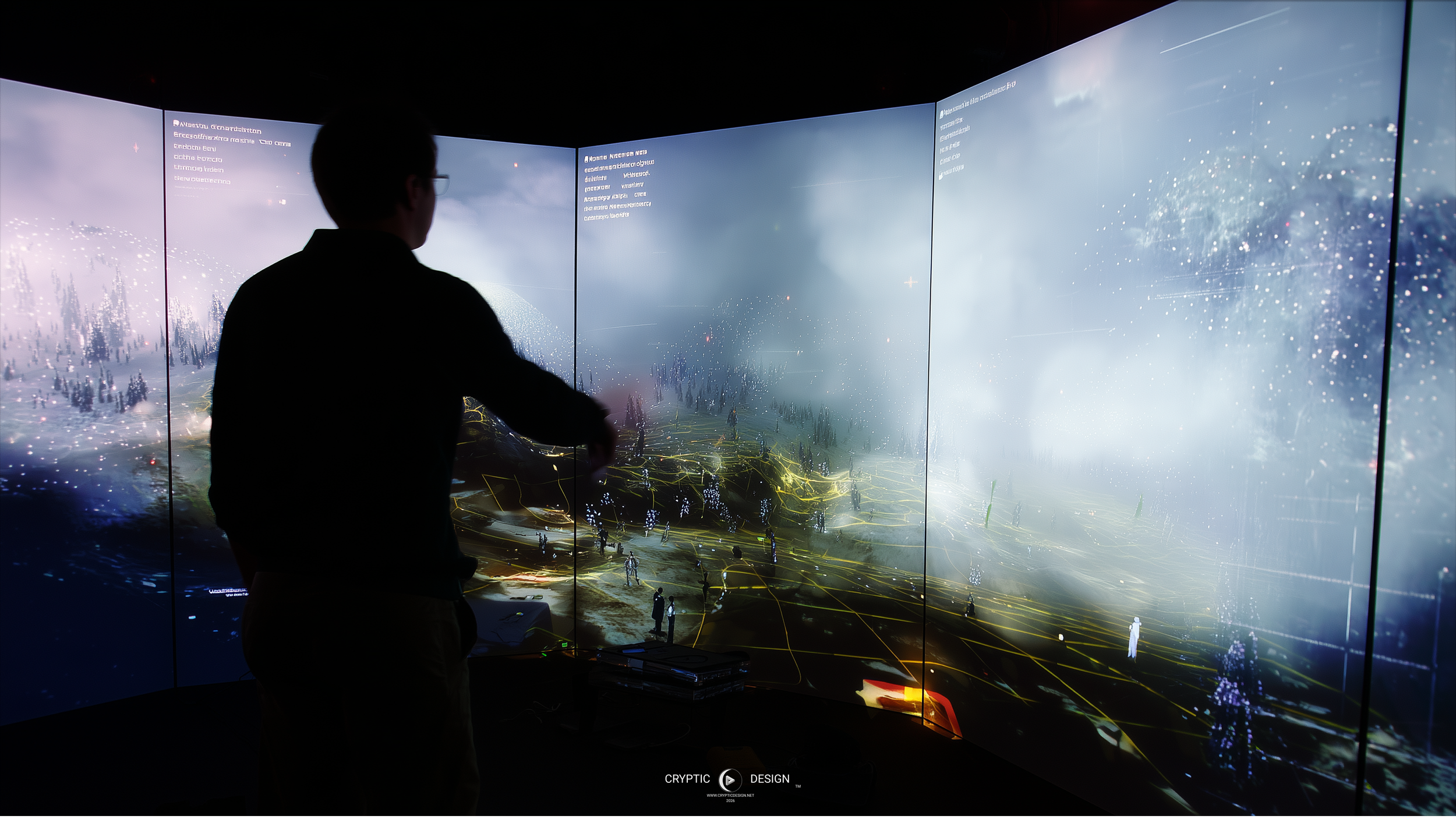
Image Title
Systemic Density at Scale
Image Description
A large-scale interactive world viewed from a human perspective, showing overlapping systems and activities that exceed what a single player can fully track.
Why Experiential Learning?
We’re not here to tell you whether a game is good or bad.
Every article we publish is an investigation into developer intent versus player reality—how systems behave under real use, how interfaces guide or mislead, and how design decisions shape behavior over time.
Games are among the most complex interactive systems we build today. Studying them carefully teaches us more than teardown critiques ever could.
We look forward to sharing these design notes with you throughout 2026.
Continue the Conversation
Thoughtful design invites thoughtful discussion.
If this article sparked an idea or a disagreement, continue the conversation here: